Artistic Woman Tree: A Designer's Real-World Review
As a designer who has spent years navigating the delicate balance between digital art and physical thread, I approach every new machine embroidery design with a mix of excitement and skepticism. The digital preview is one thing; seeing how that artwork translates into a tangible, stitched reality on fabric is another. Today, I am putting Artistic Woman Tree under the microscope. This piece promises to give fabrics a charming update, but does it hold up when you move from the screen to the hoop? Let’s dive into what this design actually feels like for real project use.
First Impressions: Mood and Visual Personality
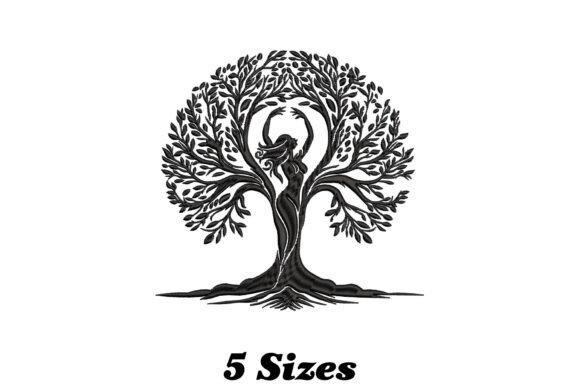
When I first loaded the embroidery file for Artistic Woman Tree, the immediate vibe was whimsical yet grounded. It falls squarely into the Beauty category in terms of aesthetic appeal, offering a fun and quirky flair that feels perfect for modern handmade goods. The layout suggests a harmonious blend of organic shapes and structured lines, which usually indicates a well-thought-out stitch path. However, as someone who has seen many "pretty" designs fail due to poor density or awkward underlay, I looked closely at the composition.
The design seems to rely heavily on the interplay between negative space and filled areas. For an embroidery project intended for custom apparel or home decor, this balance is critical. If the fill stitch is too dense, the fabric will pucker; if it is too sparse, the design will look cheap. My initial assessment is that Artistic Woman Tree leans towards a medium density, which is generally safe for most standard fabrics, but it requires careful attention to the stabilizer choice.
Testing the Waters: A Real-Life Scenario
To truly evaluate this asset, I imagined a specific client request: a boutique owner looking to launch a line of eco-friendly tote bags for an upcoming craft fair. She wants something that stands out on a crowded table but still feels artisanal. I visualized stitching Artistic Woman Tree onto a natural canvas tote bag using earthy thread colors.
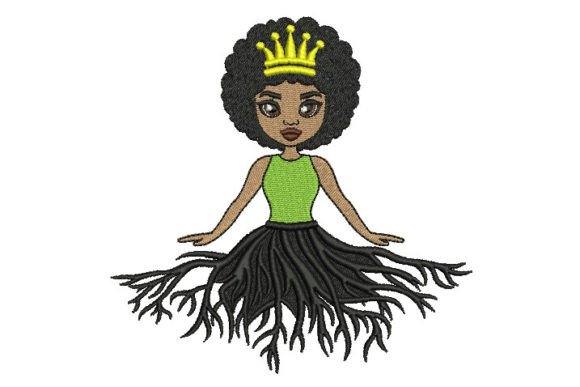
In this scenario, the design works beautifully. The organic nature of the tree motif complements the texture of the canvas, while the artistic woman figure adds a human element that draws the eye. Unlike generic floral patterns, this design tells a story. On a tote bag design, it would likely serve as a focal point, elevating a simple $5 bag into a premium, brandable item. The "quirky flair" mentioned in the description becomes a selling point here, appealing to customers who value uniqueness over mass-produced perfection.
However, I also considered a different application: a baby onesie. Here, the stakes are higher. Baby skin is sensitive, and parents scrutinize every stitch. While the design is delightful, I would need to ensure there are no sharp points or excessive layers of thread that could irritate a child's neck. For baby embroidery, simplicity and softness are key. If the design includes fine details that might fray or snag, it might be better suited for a pillow cover or a sweatshirt back rather than direct contact with delicate skin.
Navigating Fabric and Hoop Challenges
One of the most critical aspects of reviewing any digital embroidery file is understanding its limitations regarding fabric type and size. Artistic Woman Tree appears to have moderate detail, which means it demands a specific hoop size. Attempting to shrink this design to fit a small 4x4 inch hoop could result in lost details and a muddy appearance. Conversely, stretching it too large might expose gaps in the fill stitch areas.
For custom apparel like t-shirts or sweatshirts, the fabric texture plays a massive role. On a smooth cotton jersey, the design should pop. But on a textured fleece or a heavy denim jacket, the intricate lines of the tree might get lost in the fabric weave. I always advise my clients to test the design on scrap fabric first. This step is non-negotiable. You need to see how the needle penetrates the material and whether the stitch density causes the fabric to bunch up.
Dark fabrics present another challenge. If you plan to use this for sweatshirt embroidery on black or navy garments, you must check the underlay settings. Without sufficient underlay, the white or light-colored threads might not show up vibrantly, leading to a dull finished product. Similarly, stretchy fabrics require a tear-away or cutaway stabilizer that can handle the tension without distorting the shape of the tree or the woman figure.
Where to Use With Caution
- Small Hoops: Do not force this design into a tiny hoop unless you are willing to sacrifice detail.
- Thin Fabrics: Silk or chiffon may not support the weight of the stitches, leading to sagging or tearing.
- Curved Surfaces: Embroidering on caps or hats requires significant digitizing adjustments; a flat design like this might distort on a curved brim.
- Frequent Washing: Items like kitchen towels or aprons undergo harsh washing. Ensure the running stitch edges are secure to prevent fraying over time.
Impact on Brand Value and Customer Trust
For Etsy sellers and small shop owners, the quality of your embroidery directly impacts your brand reputation. A well-executed Artistic Woman Tree design can significantly enhance the perceived value of a handmade product. Customers today are savvy; they can spot a poorly stitched item from a mile away. When the stitching is clean, the colors are vibrant, and the design sits flat on the fabric, it builds trust.
This design offers a unique opportunity for personalized gifts. Imagine adding a recipient's name near the base of the tree for a holiday gift or a wedding favor. The versatility allows for customization without overwhelming the original artwork. For commercial embroidery projects, such as branding for a yoga studio or a wellness center, the theme aligns perfectly with concepts of growth, beauty, and nature.
However, remember that the final look depends on your execution. Using high-quality thread and proper stabilizer techniques is just as important as the design file itself. A great design on cheap materials will still look cheap. Always create a printable mockup before committing to a full production run. This helps you visualize the scale and color contrast on the actual product.
Practical Notes for Designers and Makers
If you decide to incorporate Artistic Woman Tree into your workflow, keep these practical notes in mind:
- Test First: Always run a test stitch on a similar fabric to check for puckering or skipped stitches.
- Color Contrast: Experiment with different thread colors to see what makes the design stand out against your chosen background.
- Licensing Check: Before selling finished items or using this as a design asset for client work, confirm the licensing terms. Ensure you have the right to sell products made with this file.
- Stitch Density: Inspect the fill stitch areas closely. If they look too thick, consider adjusting the machine tension or using a lighter stabilizer.
- Mockups: Create both light and dark background mockups to help customers visualize the final result on their preferred items.
In conclusion, Artistic Woman Tree is a promising addition to any embroidery library. It brings a touch of charm and personality that can transform ordinary items into special keepsakes. Whether you are creating a holiday embroidery collection, a line of embroidered patches, or personalized home decor, this design has the potential to shine. Just remember that the magic happens in the execution. With the right fabric, stabilizer, and attention to detail, this design can become a staple in your craft business portfolio.