Cute Couple: A Designer's Real-World Review
As a designer who has spent years curating assets for both personal projects and commercial craft businesses, I approach every new machine embroidery design with a critical eye. It is not enough for a file to look good on a screen; it must translate flawlessly into thread on fabric. Today, I am evaluating the Cute Couple design, a whimsical option marketed for Valentine S Day and general home decor. My goal is to determine if this piece holds up under the scrutiny of a professional workflow or if it is merely another generic digital asset.
First Impressions: Mood and Visual Personality
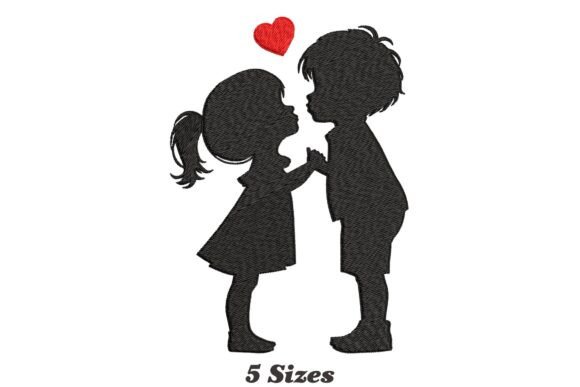
When I first opened the preview for Cute Couple, the immediate reaction was one of warmth. The design leans heavily into a fun, lighthearted aesthetic that feels perfect for the romantic season but retains enough charm to work year-round. The layout suggests a balanced composition, avoiding the clutter often found in lower-quality files. For an Etsy seller or small shop owner looking to add personality to their inventory, the visual hook is strong. It promises a finished product that feels handmade and thoughtful rather than mass-produced.
The whimsical nature of the characters implies a playful use of color. In my mind, I am already visualizing soft pastels against crisp white cotton or bold, contrasting threads on dark denim. However, the true test lies in how the lines are constructed. Does the design rely too heavily on thin running stitches that might break on textured fabrics? Or does it utilize robust satin stitch and fill stitch techniques that ensure longevity? From the preview, the line work appears confident, suggesting a design built to survive the rigors of washing and wearing.
Testing the Waters: A Custom Tote Bag Scenario
To truly understand the utility of Cute Couple, let us place it in a real-life scenario. Imagine you are preparing a batch of custom embroidered tote bags for a local boutique. You need a design that pops from a distance but retains detail when a customer picks up the bag to inspect it. This is where the practical application of the embroidery file becomes critical.
In this context, Cute Couple serves as an excellent focal point. The scale seems appropriate for a standard 5x7 inch hoop, which is common for tote bag production. If the design were too small, it would get lost on the canvas material; if too large, it might overwhelm the bag's structure. Assuming the file allows for scaling without distortion, this design fits the bill perfectly. The whimsical theme aligns well with the casual, eco-friendly vibe of a tote bag, making it a natural choice for a handmade product intended for everyday use.
Furthermore, consider the placement. On a tote bag, centering the design works well, but what about a corner accent? The clean edges of the couple suggest they could be framed by a simple border or left to stand alone. This versatility increases the value of the digital embroidery file for a business owner who needs to maximize their design assets across different products.
Performance on Apparel and Home Goods
Moving beyond bags, how does Cute Couple perform on apparel? For custom apparel like sweatshirts or t-shirts, the density of the stitch pattern is paramount. If the design features heavy fill areas, it could make the fabric stiff, leading to discomfort for the wearer. Conversely, if the density is too low, the colors may bleed through on lighter fabrics.
I would recommend testing this design on a scrap piece of the actual garment fabric before committing to a full run. Check the back of the stitching to ensure there is no excessive pull-through, which can ruin the drape of a sweatshirt embroidery project. For baby items, such as onesies or nursery blankets, the softness of the finish is non-negotiable. Parents are sensitive to texture, so ensuring the stabilizer is removed cleanly and the thread lies flat is essential. The playful nature of Cute Couple makes it a top contender for baby embroidery gifts, provided the thread quality is high enough to withstand frequent laundering.
In the realm of home decor, specifically pillow covers and kitchen towels, the design shines. The durability required for a tea towel is less demanding than that of a garment, allowing for more intricate details. Here, the whimsical theme adds a delightful touch to holiday gifts or wedding favors. A set of towels featuring this design could become a signature item for a craft business, offering a cohesive look for a Valentine S Day collection.
Where Caution Is Required
While Cute Couple appears versatile, there are specific scenarios where caution is advised. First, avoid using this design on highly textured fabrics like thick fleece or ribbed knits without significant adjustments. The texture can interfere with the needle path, causing skipped stitches or uneven tension. Second, if you plan to embroider on very thin or stretchy materials, such as silk or spandex blends, the weight of the thread and the density of the design could cause puckering. Always use the appropriate stabilizer to support the fabric during stitching.
Additionally, be wary of curved surfaces like caps. Unless the design is specifically optimized for cap hoops, the straight lines of the couple might distort when wrapped around a brim. Similarly, if you intend to use this design as a small decorative accent on a layered garment, ensure the details do not get lost in the folds of the fabric. Tiny lettering, if included, should be inspected closely; often, small text in machine embroidery can become illegible if the stitch count is too low.
Designer Notes for Professional Execution
For those integrating Cute Couple into their workflow, here are some practical notes to ensure a professional result:
- Test on Scrap Fabric: Never skip the test run. Stitch the design on a piece of the same fabric you will use for the final product to check for tension issues and color bleeding.
- Check Thread Color Contrast: The visual impact of the design relies heavily on contrast. Ensure your chosen thread colors stand out against the background fabric, especially for dark garments.
- Review Stitch Density: Inspect the file settings to ensure the fill stitch is not too dense, which can harden the fabric, or too sparse, which can show the base material.
- Confirm Hoop Size: Verify that the design fits within your machine's hoop size without needing to split the design, which can lead to registration errors.
- Inspect Small Details: Zoom in on the file to ensure that fine details, such as facial features or clothing patterns, are rendered with enough stitches to remain clear after stitching.
- Mockup Testing: Create black and white printable mockups to visualize the design on various products before purchasing thread and fabric.
- Licensing Check: Before selling any finished product or using the design for commercial embroidery, confirm the licensing terms. Ensure you have the right to sell items made with this embroidery file.
Impact on Brand and Customer Trust
Ultimately, the decision to use Cute Couple comes down to how it affects your brand's perception. A well-executed embroidery project signals quality and attention to detail. When customers see a clean, vibrant, and professionally stitched design on a tote bag design or a personalized gift, their trust in your craftsmanship grows. The whimsical charm of this design can enhance buyer engagement, making your products feel more special and unique compared to printed alternatives.
For the small shop product creator, consistency is key. Using a reliable design like this helps maintain a cohesive look across your catalog, whether you are selling holiday-themed items or everyday essentials. The ability to offer high-quality personalized gifts sets you apart in a crowded market. By taking the time to evaluate and properly execute designs like Cute Couple, you invest in the long-term success of your creative enterprise.
In conclusion, while the initial appeal of Cute Couple is its charm, its true value lies in its adaptability and potential for professional execution. With careful planning, proper stabilization, and a keen eye for detail, this design can elevate your embroidery project from a simple craft to a standout commercial asset.