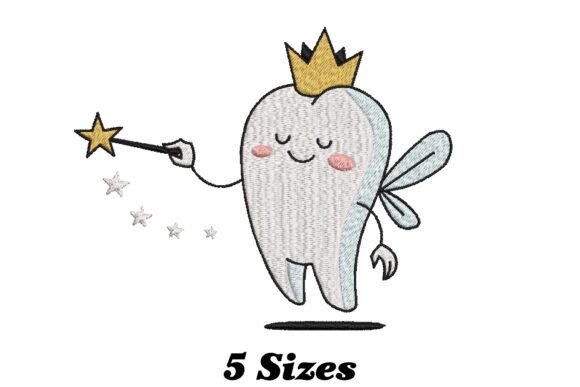
Reviewing Tooth Fairy Magic for Boutique Sweatshirts
As an experienced embroidery designer who has spent years refining the look and feel of custom apparel for small shops, I approach every new machine embroidery design with a critical eye. Today, I am evaluating Tooth Fairy Magic, a design that promises to transform fabrics with a touch of charm. The goal is simple: determine if this specific embroidery file is robust enough to elevate a premium sweatshirt collection for a boutique brand or if it belongs strictly to home decor projects.
First Impressions: Mood and Layout Analysis
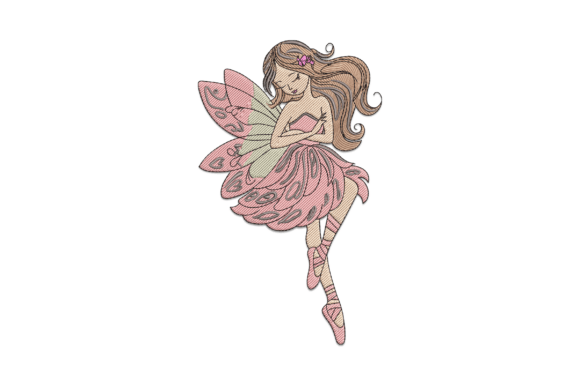
When I first opened the preview of Tooth Fairy Magic, the immediate vibe was playful and whimsical. The description suggests a "fun and quirky accent," which immediately tells me this is not a minimal, corporate logo. Instead, it leans heavily into a decorative, feminine aesthetic. For a boutique brand targeting parents or those who appreciate nostalgic magic, the mood is spot-on. However, the layout requires careful scrutiny before committing to production on heavy garments.
The design appears to have a moderate level of detail, which is crucial when translating digital art into physical thread. In the world of sweatshirt embroidery, intricate details can sometimes get lost if the stitch density is too high or the fabric texture is too coarse. My initial assessment is that Tooth Fairy Magic balances cuteness with structural integrity, but the final look will depend entirely on how we manipulate the thread colors and stabilizer choices during the digitizing process.
Visualizing the Finished Product on Apparel
Imagine a limited drop of oversized hoodies for a seasonal collection. How does Tooth Fairy Magic translate from a screen to a soft, fleece-covered chest? On neutral sweatshirts like heather grey or oatmeal, the design would likely pop beautifully, especially if we use pastel thread colors to match the magical theme. The contrast would be soft yet readable, creating a cozy, lifestyle-friendly aesthetic that photographs well for Etsy listings.
However, placing this design on dark fabric presents a different challenge. A "cool" design often relies on light elements to stand out against black or navy. If the stitch density in Tooth Fairy Magic is too sparse, the background of the sweatshirt might show through, muddying the image. To achieve a premium look, I would need to ensure the underlay stitches are dense enough to create a solid base, perhaps adding a satin border to define the edges. This attention to detail separates a mass-produced item from a handmade product that customers trust.
For sleeve accents or back designs, the scale becomes a factor. Tooth Fairy Magic seems versatile, but shrinking it down for a sleeve patch requires checking the smallest text or line work. If the design loses clarity at smaller sizes, it risks looking pixelated or messy once stitched. Conversely, expanding it for a full back print on a hoodie could make it the centerpiece of the garment, turning a simple piece of clothing into a statement item for a small shop product line.
Technical Considerations for Commercial Use
Before I approve any digital embroidery file for commercial run, I must address the technical realities of commercial embroidery. Fabric thickness is the first hurdle. Sweatshirts are thick, and without the right stabilizer, the needle can push the fabric down, causing puckering or uneven stitching. For a project involving Tooth Fairy Magic, I would recommend a tear-away or cut-away stabilizer specifically designed for knits to maintain the drape of the garment while supporting the weight of the thread.
Thread color contrast is another critical element. While the design description mentions adding a "fun accent," using too many colors can increase production time and cost. As a designer, I look for ways to simplify the palette without losing the essence of the artwork. Maybe we can achieve the same magical effect with three carefully chosen threads instead of five, ensuring faster turnaround times for our apparel decorators and better margins for the business owner.
We also need to consider washing durability. Customers expect their hoodie design to survive multiple washes without fraying or fading. The stitch count and type used in Tooth Fairy Magic must be secure. Satin stitches are great for outlines but can break if the fabric stretches too much. Fill stitches offer more flexibility but require proper tension settings. It is vital to test the design on a scrap piece of the actual sweatshirt fabric before running the full batch.
Strategic Placement and Brand Identity
Where you place the design changes its entire message. A chest placement for Tooth Fairy Magic feels personal and intimate, perfect for a gift item or a self-purchase for someone who loves magic. It works exceptionally well for lifestyle product photography, where the focus is on the wearer's connection to the brand. In contrast, a back placement makes the design bold and graphic, ideal for streetwear-inspired collections or festival gear.
For an Etsy seller or a creative entrepreneur, the visual recognition of your brand is everything. Using a unique design like this helps distinguish your shop from competitors selling generic tees. When customers see the finished product, they should immediately associate the quality and charm with your brand name. Tooth Fairy Magic offers that potential, provided the execution is flawless. It adds a layer of storytelling to the garment, transforming a basic sweatshirt into a keepsake.
Value Proposition for Small Businesses
Incorporating Tooth Fairy Magic into a product line can significantly affect perceived value. A well-executed embroidery design signals quality and care. Customers are willing to pay more for a handmade product that features detailed, custom stitching compared to a printed graphic. This design asset allows small brands to compete with larger retailers by offering unique, tactile items that cannot be easily replicated.
Furthermore, the versatility mentioned in the product description—suitable for towels, home decor, and t-shirts—means this single design asset can span multiple categories. While we are focusing on apparel today, having a design that works across Bed linens or other home goods allows for cross-promotion within a shop. This maximizes the return on investment for purchasing the embroidery file.
Final Verdict and Production Checklist
Overall, Tooth Fairy Magic is a promising candidate for a boutique sweatshirt collection, provided the technical setup is handled with precision. It captures a whimsical spirit that resonates with modern consumers looking for personality in their wardrobe. However, do not skip the testing phase. Always verify the following before cutting fabric:
- Check the hoop size: Ensure your machine can accommodate the design width and height without distortion.
- Verify stitch density: Adjust if the fabric is too thick or thin to prevent sinking or bunching.
- Test stabilizer choice: Use a heavyweight stabilizer for sweatshirts to ensure smooth results.
- Review thread colors: Select shades that provide enough contrast for the specific fabric color you are using.
- Inspect small details: Zoom in on the preview to ensure no tiny lines will disappear after stitching.
If these steps are followed, Tooth Fairy Magic can become a signature piece for your brand. It offers the perfect blend of charm and practicality, ready to turn ordinary fabrics into extraordinary memories. Whether you are a seasoned apparel decorator or a new digital seller, this design invites you to add a touch of magic to your next project.