Retro Nurse: A Professional Embroidery Design Review
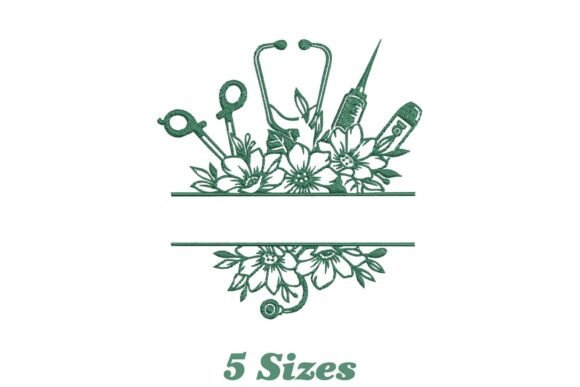
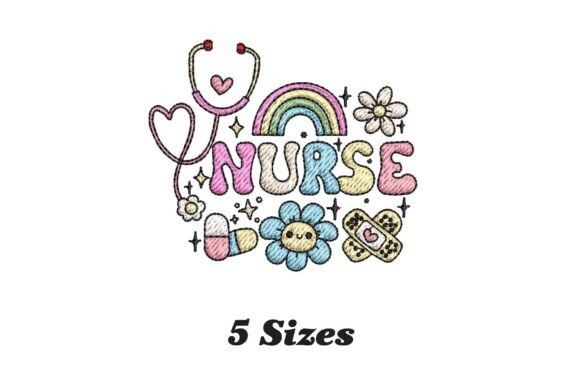
As an embroidery designer who has spent years translating digital files into tangible brand assets, I approach every new machine embroidery design with a critical eye. The market is flooded with generic patterns, but finding a piece that balances whimsy with professional utility is rare. Today, I am reviewing the Retro Nurse design. This isn't just about stitching a cute image; it is about evaluating how this specific embroidery file performs when integrated into small business merch, branded patches, and uniform accents for real-world commercial use.
First Impressions: Nostalgia Meets Brand Identity
When I first loaded the Retro Nurse into my digitizing software, the aesthetic was immediately clear. It exudes a nostalgic and whimsical charm that feels both classic and timeless. In the world of brand identity, nostalgia is a powerful tool. It evokes trust, warmth, and a sense of heritage. Unlike modern, minimalist logos that can feel sterile, this design offers personality. For businesses like boutique bakeries, vintage clothing stores, or creative studios looking to humanize their brand, this design acts as a visual handshake.
The visual weight of the design suggests it is bold enough to stand alone as a logo yet detailed enough to serve as a decorative accent. However, in a professional setting, "whimsical" must not compromise "professional." The key lies in execution. If the stitch definition is clean and the color palette is curated, Retro Nurse elevates a product from a simple commodity to a premium, handmade item. It signals to the customer that care has been taken in the creation process, which is essential for building buyer engagement and perceived value.
Real-World Applications for Small Businesses
The versatility of the Retro Nurse design makes it a strong contender for various commercial embroidery projects. Here is how I envision this design performing across different merchandise categories:
- Staff Uniforms and Aprons: For a café or a boutique florist, placing this design on a chest pocket or as an apron embroidery detail creates instant team cohesion. It turns a standard work shirt into a branded uniform that tells a story. The retro vibe fits perfectly with establishments that pride themselves on old-fashioned service and quality.
- Branded Patches: One of the most cost-effective ways to utilize this design is by creating an embroidered patch. Patches allow you to apply the design to heavy-duty fabrics like denim jackets, canvas tote bags, or backpacks without needing a large hoop setup for every single item. A high-quality patch featuring Retro Nurse can be sold as a standalone accessory or used as a limited-edition giveaway.
- Cap Embroidery: The circular or compact nature of many nurse-themed designs often translates well to cap embroidery. Whether it's a flat brim snapback for a streetwear brand or a structured cap for a medical supply company, the design serves as a focal point. It adds a pop of character to headwear, making it a memorable marketing tool at events or local markets.
- Tote Bags and Home Decor: As the product description notes, this design works beautifully on towels, pillows, and home decor items. For an Etsy seller or a handmade brand, stitching this onto organic cotton tote bags transforms them into eco-friendly promotional tools. Customers love carrying bags that feature unique art, effectively turning your brand into a walking billboard.
Critical Considerations for Production
While the aesthetic appeal is high, a professional designer knows that not all designs translate perfectly to every medium. Before committing to a bulk order of custom apparel, there are specific areas where Retro Nurse requires careful attention.
Size and Detail Limitations
One of the biggest risks with intricate retro designs is scaling. If you attempt to shrink this design for a tiny sleeve detail or a small hat front, the fine lines may merge, causing thread bunching and loss of detail. Always test the design at the intended size before production. Check if the lettering or facial features remain legible. If the design becomes muddy at 2 inches, it should not be used for small patches or cuff details.
Fabric Texture and Stabilization
The success of any digital embroidery file depends heavily on the substrate. Textured fabrics like terry cloth towels or thick denim require robust stabilization. Without the proper stabilizer, the fabric may pucker, distorting the whimsical lines of the nurse figure. Additionally, dark uniforms present a challenge. Ensure the thread colors selected offer sufficient contrast against the background fabric. A light-colored design on a black apron needs a solid underlay to prevent the fabric color from showing through the stitches.
Stitch Density and Durability
For items that will undergo frequent washing, such as staff shirts or kitchen aprons, stitch density is paramount. Overly dense areas can make the fabric stiff and prone to cracking over time. Conversely, sparse areas might snag easily. Review the digitized file to ensure the density is balanced. If you are producing these as part of a long-term branding strategy, durability is non-negotiable. The finished product must look as good after fifty washes as it did on day one.
Strategic Implementation Notes
To maximize the return on investment for this design, I recommend a strategic rollout. Start by creating a printable mockup to visualize how the design sits on your specific products. Show these mockups to your target audience or stakeholders for approval. Does the retro style align with your current design assets? Is it too playful for a serious corporate client, or is it the perfect fit for a community-focused brand?
Before mass production, always run a physical test on the actual fabric you intend to use. Hoop the fabric, insert the correct stabilizer, and stitch out the Retro Nurse design. Inspect the back of the work to ensure no loose threads or excessive trimmings. Confirm that the hoop size accommodates the design without stretching the fabric unevenly. These small steps prevent costly mistakes during a large run.
Finally, verify the licensing terms. While the description highlights its use for embellishing fabrics, ensure you have the rights for commercial embroidery if you plan to sell the finished goods. Using a design for personal gifts is different from selling it as part of a revenue-generating product line. Clarify these terms with the file provider to protect your business.
Conclusion: A Valuable Asset for Creative Brands
The Retro Nurse embroidery design is more than just a decorative motif; it is a potential cornerstone for a brand's visual language. When executed correctly, it bridges the gap between professional utility and artistic expression. For small business owners, embroidery shops, and merch creators, this design offers a unique opportunity to create memorable, high-quality products that resonate with customers seeking authenticity.
By respecting the technical limitations regarding size, fabric, and density, and by leveraging the design's inherent charm, you can turn a simple embroidery file into a profitable asset. Whether it adorns a staff member's apron, a customer's tote bag, or a limited-run patch collection, Retro Nurse has the potential to elevate your brand's presence in the marketplace. Just remember: the best design is only as good as the execution behind it.