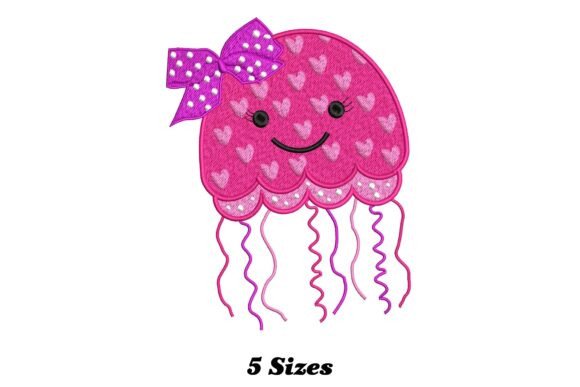
Cute Jellyfish Embroidery Design Review
As an experienced embroidery designer preparing for the upcoming weekend craft fair, I am constantly evaluating new digital assets to see which ones will translate into bestsellers on my booth table. Today, I am reviewing a machine embroidery design titled Cute Jellyfish. The description promises to transform fabrics with a touch of charm, offering a cool and quirky accent for t-shirts, towels, and home decor. Before I commit hours of machine time to batch production, I need to determine if this Fish category design truly delivers on its promise or if it is just another generic file that won't catch the eye of a busy shopper.
First Impressions: Charm Meets Quirky Appeal
The moment I open the preview of Cute Jellyfish, the vibe is immediately clear. It feels soft, playful, and undeniably cute. In a sea of rustic farmhouse designs and bold modern graphics, this piece stands out as a decorative yet friendly option. It does not scream "elegant" in a formal sense, nor is it strictly minimal. Instead, it occupies that sweet spot of being whimsical and approachable. For a handmade product line, this kind of visual personality is crucial. Customers browsing a craft fair often look for items that evoke a smile or a sense of nostalgia. This design has the potential to be that instant mood-lifter on a display rack.
The silhouette suggests a balance between simplicity and detail. It is not so complex that it will frustrate a home crafter trying to hoop it for the first time, yet it has enough character to look premium when stitched correctly. The "cool" factor mentioned in the description comes through in the pose and the implied movement of the tentacles. This makes it versatile enough to fit into various aesthetic niches, from beach-themed boutiques to general gift shops.
Product Performance: Where Does It Shine?
When planning my booth layout, I visualize where each design fits best. For Cute Jellyfish, the potential applications are vast, but some products will perform significantly better than others. Let's break down how this machine embroidery design translates across different mediums.
Tote Bags and Market Bags
A tote bag is a staple for any craft fair seller. Placing Cute Jellyfish on a natural canvas tote creates an instant classic look. The organic texture of the canvas complements the fluid lines of the jellyfish. If I use a contrasting thread color, such as a deep ocean blue or a vibrant coral against a cream background, the design pops. This becomes a perfect small shop product for eco-conscious buyers who want something functional yet fun.
Kitchen Textiles: Aprons and Tea Towels
The description specifically mentions towels, and I agree this is a strong contender. An apron embroidery featuring Cute Jellyfish adds a professional yet playful touch to kitchen gear. However, with tea towel embroidery, I must be cautious about fabric texture. Terry cloth can sometimes distort fine details. If the design includes tiny elements in the tentacles, they might get lost in the loops of a thick towel. On a smooth cotton dish towel, however, the stitch density should render beautifully, making it a giftable handmade item that customers will love to photograph.
Patches and Caps
For those selling embroidered patches, this design is excellent. Patches allow for creative placement on denim jackets, backpacks, and hats. When applied to caps, the curved surface can be tricky. I would need to ensure the stabilizer is robust enough to prevent puckering. A Cute Jellyfish patch on a snapback hat appeals to a younger demographic and serves as a great impulse buy at the end of a shopping trip.
Pillow Covers and Home Decor
Scaling up for pillow covers works well because the design can serve as a focal point. A large version of Cute Jellyfish on a linen pillow cover elevates the perceived value of the finished product. It moves from a simple accessory to a statement piece for home decor. This increases the price point I can charge at the market.
Practical Selling and Production Insights
Beyond aesthetics, the practicality of production determines profitability. Is this design easy to understand at a glance? Yes. Shoppers do not have time to decipher abstract art; they want immediate recognition. Cute Jellyfish achieves this clarity. It works effectively as both a small accent on a shirt pocket and a larger focal design on a blanket.
Photography is another critical factor for Etsy sellers and online listings. Designs with distinct outlines and good contrast photograph exceptionally well. This means my printable mockups will look realistic, driving more traffic to my digital storefront. Furthermore, the repeatability of the design is high. Once I dial in the settings, I can run a batch of fifty identical items without constant adjustments, which is essential for maintaining efficiency during a busy craft fair weekend.
Designer Notes: Avoiding Common Pitfalls
Even a great design can fail if executed poorly. Here are my careful-use notes based on years of experience with similar files.
- Dense Stitch Areas: Check the tentacle tips. If the stitch density is too high, it may cause fabric puckering, especially on lightweight materials like t-shirts. Always test on scrap fabric first.
- Tiny Details: If you plan to downsize this for a small pouch or keychain, verify that the details do not become muddy. Clarity is key for a high-quality feel.
- Fabric Texture: As mentioned, avoid using this on very textured towels unless you increase the size slightly to compensate for the fabric loops.
- Curved Surfaces: When embroidering on caps, use a specialized cap hoop and heavy stabilizer to ensure the design lays flat.
- Dark Fabric: If stitching on dark garments, consider adding a layer of underlay or using a cutaway stabilizer to make the thread colors pop.
Maximizing Visual Appeal and Brand Consistency
Incorporating Cute Jellyfish into your product line can significantly boost buyer engagement. Its whimsical nature encourages interaction; people stop to touch the stitches and admire the craftsmanship. This tactile engagement is vital for converting browsers into buyers. By maintaining consistent thread colors across your range—perhaps a signature palette of blues and teals—you build brand consistency that makes your booth memorable.
The perceived value of a handmade product skyrockets when the embroidery looks professional. Clean edges, no loose threads, and proper tension show that you care about quality. This design, when handled correctly, exudes that level of care. It tells the customer that this is not a mass-produced factory item, but a thoughtful creation by a skilled artisan.
Essential Steps Before You Start Sewing
Before you rush to produce your entire inventory, follow these professional steps to ensure success:
- Test the Design: Always run a test stitch on a scrap piece of the exact fabric you intend to use. Check for registration issues or skipped stitches.
- Check Thread Contrast: Ensure the thread colors stand out against the fabric. Subtle tones can look elegant but may not sell as quickly as bold contrasts at a distance.
- Review Spacing and Hoop Size: Confirm that the design fits within your available hoop sizes without distortion. Adjust spacing if placing multiple motifs.
- Inspect Stitch Density: Look closely at the back of the test stitch. Excessive basting or dense fill can ruin the drape of the fabric.
- Use the Right Stabilizer: Do not skimp here. A tear-away or cutaway stabilizer appropriate for your fabric weight is non-negotiable for a crisp finish.
- Create Real Mockups: Take photos of actual stitched samples rather than relying solely on digital previews. Real lighting reveals true thread sheen and texture.
- Confirm Licensing: As a commercial embroidery business owner, always verify your license terms. Ensure you are permitted to sell finished goods made from this digital embroidery file.
Ultimately, Cute Jellyfish is a strong addition to any portfolio looking to inject fun and quirkiness into their offerings. Whether you are an Etsy seller, a boutique maker, or a seasoned craft fair vendor, this design offers the versatility needed to create a diverse range of profitable items. By paying attention to the technical details and focusing on high-quality presentation, you can turn this simple embroidery file into a standout star of your next market event.